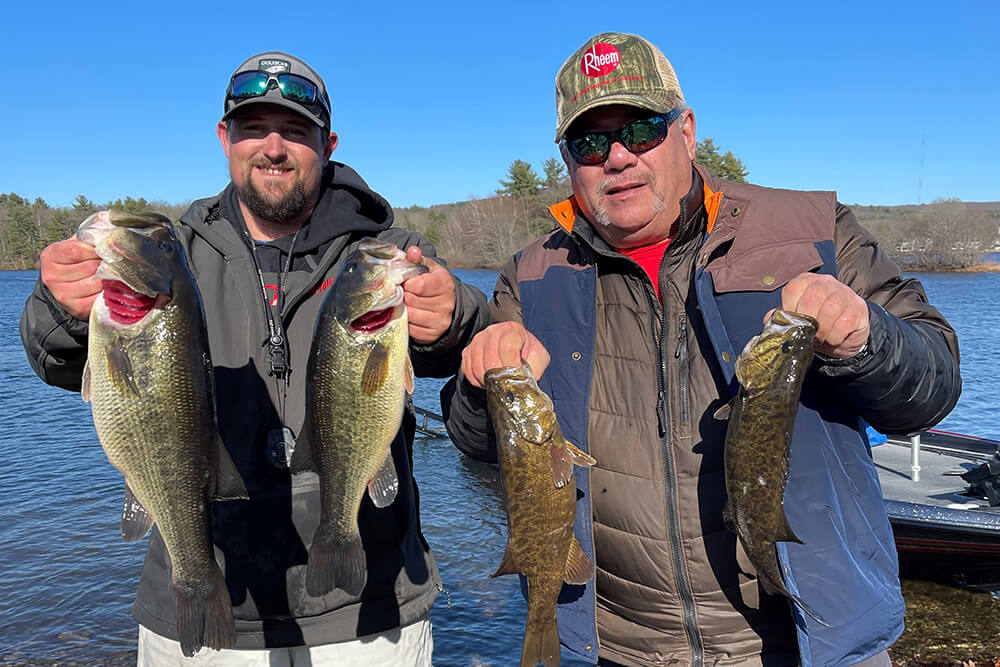
If you want the clearest answer first, the best time for bass fishing in the Northeast is usually late spring through early fall, with late spring and early summer often giving anglers the most consistent action. In many Northeast waters, bass become more active as water temperatures rise, and several state agencies note strong fishing during spring, summer, and fall. New York specifically says the best fishing is often from mid-June through the end of August, especially when water temperatures are around 60–75°F.
That said, there is not one perfect week for every lake, river, or state. The Northeast covers a wide area, and timing changes based on water temperature, depth, weather, and local regulations.
A simple way to think about it
When are bass most active where I fish?
Late spring
Summer
Early fall
So, what is the “best” time overall?
Late May through September is usually the most reliable stretch, with June and early summer often standing out for consistency. That lines up with official state guidance showing strong activity through spring, summer, and fall, and especially with New York’s recommendation for mid-June through late August.
Best time of day for Northeast bass
Early morning
Evening
Midday
Cloudy or pre-frontal conditions
New Jersey’s freshwater smallmouth guidance also points to spring through fall as the best overall time, with early morning and low-light periods commonly producing well.
Does the answer change for largemouth and smallmouth?
Largemouth bass often do very well in weedy lakes, ponds, and warmer shallow areas.
Smallmouth bass are often strongest in rocky lakes, rivers, and clearer water, and they can stay active in cooler conditions too.
Still, for both species, the Northeast pattern usually centers on warming spring water, active summer feeding, and a strong early fall bite.
The rule anglers should not ignore
There is no single “Northeast law” for bass season. Fishing rules are set by each state, and sometimes by individual waterbody. For example:
- New York lists statewide freshwater regulations effective April 1, 2026, and some waters have specific black bass seasons and limits.
- Pennsylvania has statewide regulations plus special bass programs on certain waters.
- Maine, Massachusetts, and New Hampshire each publish their own fishing laws, seasons, and license rules.
So before planning northeast bass fishing trips, always check:
- open season dates
- catch-and-release periods
- minimum sizes
- daily limits
- water-specific restrictions
- license requirements
Do you need a fishing license?
For example, Massachusetts says anglers 15 and older need a freshwater fishing license, while New Hampshire publishes separate freshwater license rules and fees for residents and non-residents.
If you follow northeast bass fishing reports, make sure you still verify the rules yourself before heading out. Reports help with patterns, but they do not replace official regulations.
Quick answers to common questions
Is spring better than summer for bass in the Northeast?
Is fall underrated?
What month is usually strongest?
Can you bass fish year-round in the Northeast?
Final Thoughts
For local help, current conditions, and guided planning, you can explore northeast bass fishing guides and keep an eye on updated northeast bass fishing reports before your next trip.