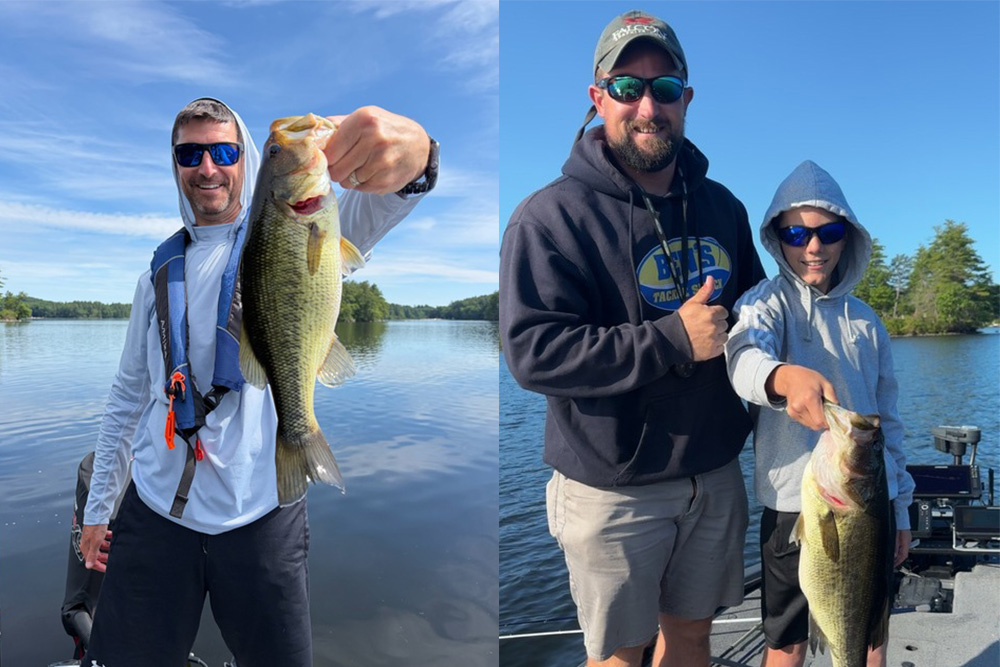
Yes, the Northeast is a rewarding region for bass fishing, particularly for anglers who enjoy changing seasons, varied water conditions, and the chance to target both largemouth and smallmouth bass.
Massachusetts alone offers lakes, reservoirs, ponds, streams, and rivers with freshwater fishing opportunities. Bass are found in waterbodies across the state, giving both local and visiting anglers plenty of places to explore.
However, successful bass fishing in the Northeast involves more than choosing a lake and casting toward the bank. The season, habitat, weather, water temperature, and species you target can all shape your day.
What Makes Northeast Bass Fishing Worth Trying?
You can fish shallow, weedy ponds for largemouth bass or look for smallmouth around rocky shorelines, drop-offs, and deeper water. Some locations can support both species, allowing anglers to adjust their approach as conditions change.
Massachusetts Wildlife notes that both species can move into shallow water to feed before spawning. During summer, smallmouth are often found deeper where the water is cooler, while largemouth may continue feeding in shallower areas.
This seasonal movement keeps Northeast bass fishing interesting. A productive pattern in May may need to be completely adjusted by July.
Largemouth or Smallmouth: Which Can You Catch?
Largemouth bass
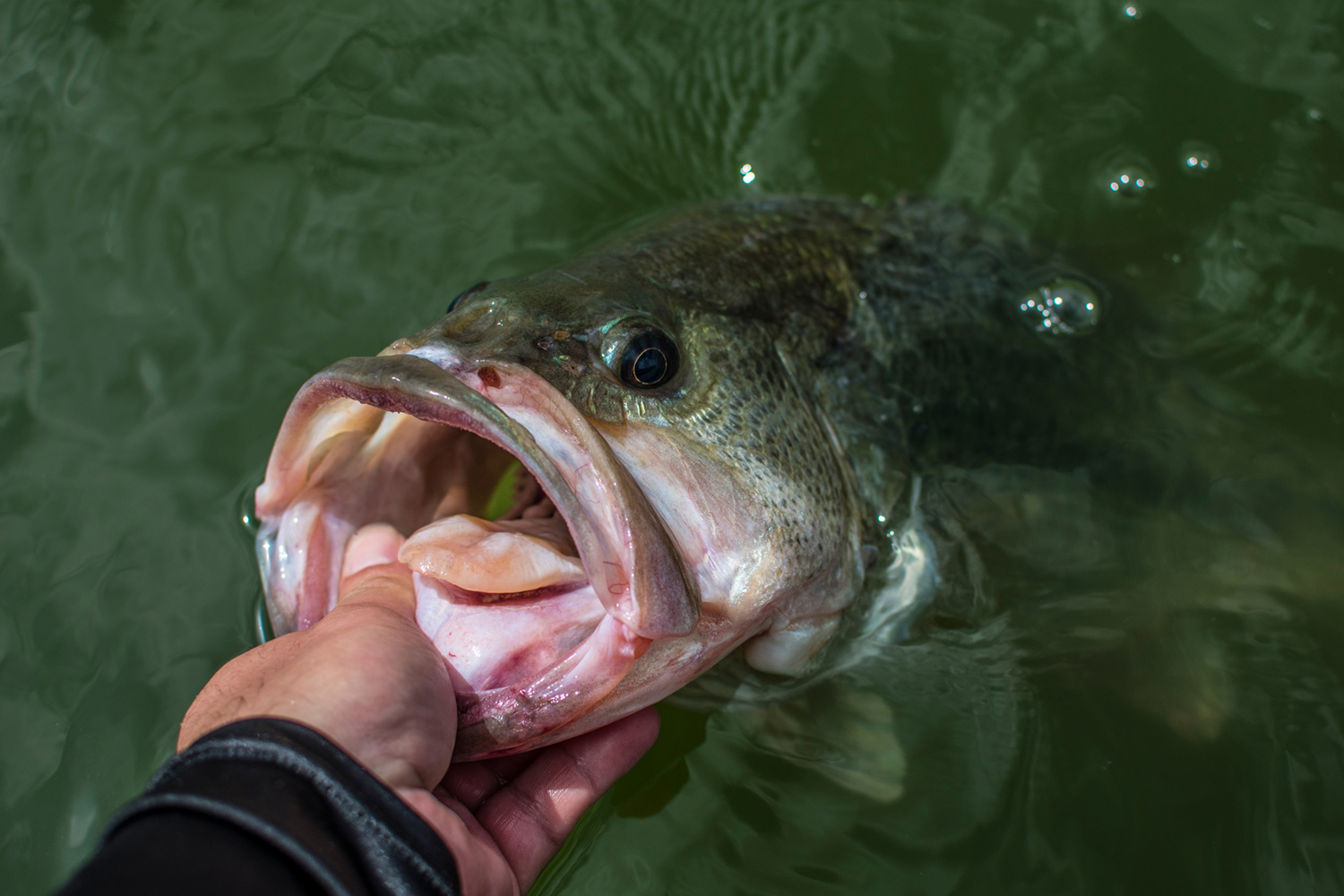
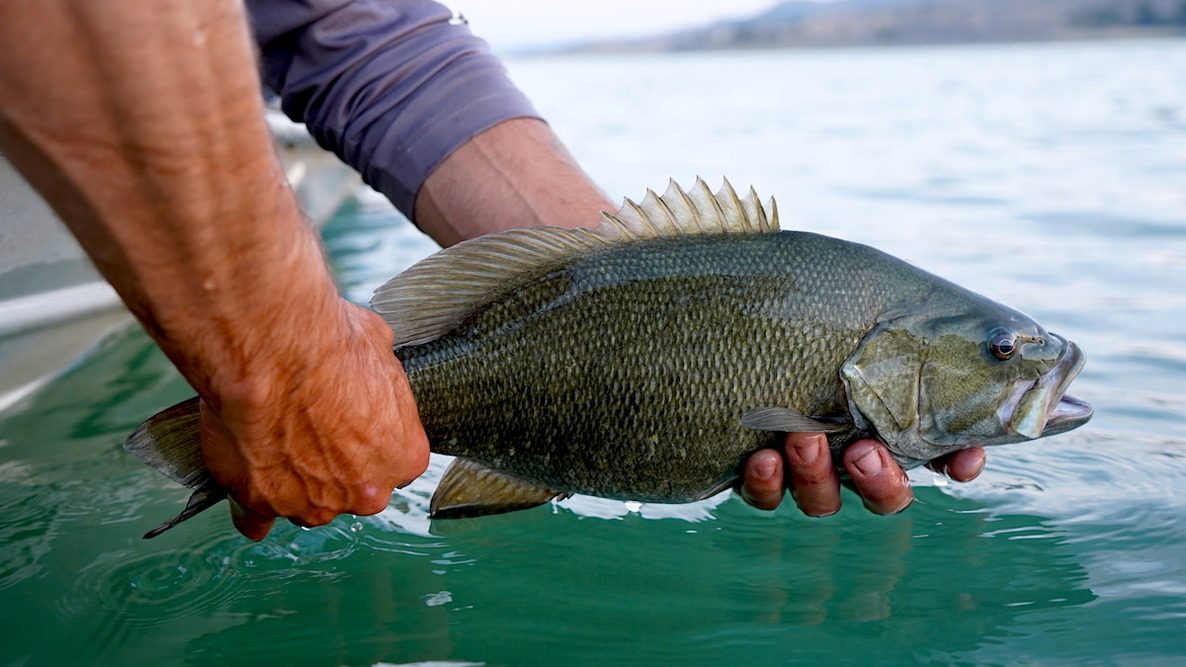
Smallmouth bass
The difference becomes especially noticeable during spring. Our guide to [fishing northern largemouth and smallmouth in spring] explains how their habitats and seasonal movements can influence lure choice and location.
When is the Fishing Usually Best?
Spring often brings active pre-spawn fish into shallower water. Late spring and early summer introduce spawning patterns, while summer can push some bass toward shade, deeper structure, or cooler sections of the waterbody.
Autumn is also worth considering. Cooling conditions can encourage bass to feed before winter, and Massachusetts identifies fall as a productive time to target largemouth bass.
For a closer look at the seasonal calendar, read what is the best time to catch bass fishing in Northeast.
Is Night Fishing Productive?
The early evening and first few hours after sunset are often sensible starting periods. Anglers can work weed edges, shallow cover, docks, rocky banks, and other feeding areas as light levels fall.
Night access is not available everywhere, however. Boat ramps, parks, reservoirs, and individual properties may have separate opening hours or access restrictions.
Our article on what time at night is best for bass fishing in Northeast covers timing, seasonal considerations, and planning for low-light trips in more detail.
Can Beginners Enjoy Northeast Bass Fishing?
A beginner does not need dozens of rods or an oversized tackle collection. A spinning setup with a few soft plastics, small jigs, and moving baits can cover many common situations.
The harder part is often locating fish. A Northeast bass fishing guide can help visitors understand seasonal movement, productive habitat, safe navigation, and how weather affects a particular lake.
Checking recent Northeast fishing reports can also provide useful context, but reports should be treated as a starting point. Conditions can change quickly after heavy rain, strong winds, cold fronts, or sudden temperature shifts.
What Should You Check Before Your Trip?
In Massachusetts, the general black bass season is open from January 1 through December 31. The statewide daily limit is five largemouth and smallmouth bass in any combination, with a minimum length of 12 inches. Certain waters may have additional rules or access restrictions.
Anglers aged 15 or older generally need a Massachusetts freshwater fishing license. License types and fees differ for residents, non-residents, minors, and older residents.
Before starting a Northeast fishing trip, confirm:
- Current state fishing regulations
- Water-specific limits or restrictions
- Public access and ramp hours
- Boating and safety requirements
- Your freshwater fishing license
- Weather and water conditions
Released bass should be handled carefully. Massachusetts recommends wetting your hands, supporting the fish by its belly, avoiding its eyes and gills, and returning it to the water quickly.
Is a Guided Fishing Tour Worth Considering?
Local guides usually understand how fish respond to seasonal changes and which types of habitat are producing. They may also provide the boat, tackle, and safety equipment, although inclusions should always be confirmed before booking.
When comparing Northeast fishing guides, ask about the waters they cover, the bass species they normally target, trip length, required licenses, equipment, cancellation policies, and whether the experience suits beginners.
Plan Around the Water, Not Just the Calendar
A productive day still depends on choosing the right water, understanding the season, and following current Massachusetts regulations.
For a more informed outing, review recent fishing conditions and consider booking with a local guide who can help match the trip to your experience level and preferred style of fishing.